HIPAA Compliance Consulting for Indian Companies Serving U.S. Healthcare Clients

Protect Patient Data. Meet Client Expectations. Demonstrate HIPAA Readiness.

If your organization in India develops healthcare software, provides medical billing services, offers healthcare BPO support, manages cloud infrastructure, or processes patient information for U.S. healthcare organizations, HIPAA compliance is essential.

U.S. healthcare providers increasingly expect their technology partners and service providers to follow the Health Insurance Portability and Accountability Act (HIPAA) requirements to safeguard Protected Health Information (PHI). Demonstrating HIPAA readiness strengthens client confidence, reduces security risks, and helps your organization compete for larger healthcare contracts.

Although the U.S. government does not issue an official HIPAA certification, organizations commonly undergo independent HIPAA compliance assessments and implement industry-recognized security practices to demonstrate compliance with HIPAA requirements.

Our HIPAA consulting services help Indian businesses assess risks, close compliance gaps, implement security controls, train employees, and build a sustainable HIPAA compliance program aligned with U.S. healthcare industry expectations.

What Is HIPAA Compliance?

The Health Insurance Portability and Accountability Act (HIPAA) is a U.S. federal law that establishes standards for protecting Protected Health Information (PHI). Organizations that create, receive, maintain, or transmit PHI must implement appropriate administrative, physical, and technical safeguards to protect patient privacy and data security.

HIPAA compliance focuses on three primary rules:

  • HIPAA Privacy Rule – Protects the confidentiality of patient health information.
  • HIPAA Security Rule – Requires safeguards to protect electronic Protected Health Information (ePHI).
  • HIPAA Breach Notification Rule – Defines how organizations must respond to and report data breaches involving PHI.

While HIPAA directly applies to Covered Entities and Business Associates operating under U.S. law, Indian companies supporting U.S. healthcare clients are often contractually required to implement the same security and privacy controls.

Do Indian Companies Need HIPAA Compliance?

Yes — if your organization handles PHI on behalf of U.S. healthcare providers, health insurance companies, hospitals, clinics, or healthcare technology vendors, your clients will typically require you to comply with HIPAA security and privacy requirements.

HIPAA readiness is particularly important for:

  • Healthcare BPO companies
  • Medical billing providers
  • Revenue cycle management companies
  • Electronic Health Record (EHR) software developers
  • Healthcare SaaS providers
  • Telemedicine platforms
  • Healthcare mobile app developers
  • Medical transcription companies
  • Cloud hosting providers
  • Data processing companies
  • AI healthcare solution providers
  • Healthcare analytics firms

Demonstrating HIPAA compliance helps your business build trust, satisfy contractual obligations, and strengthen long-term client relationships.

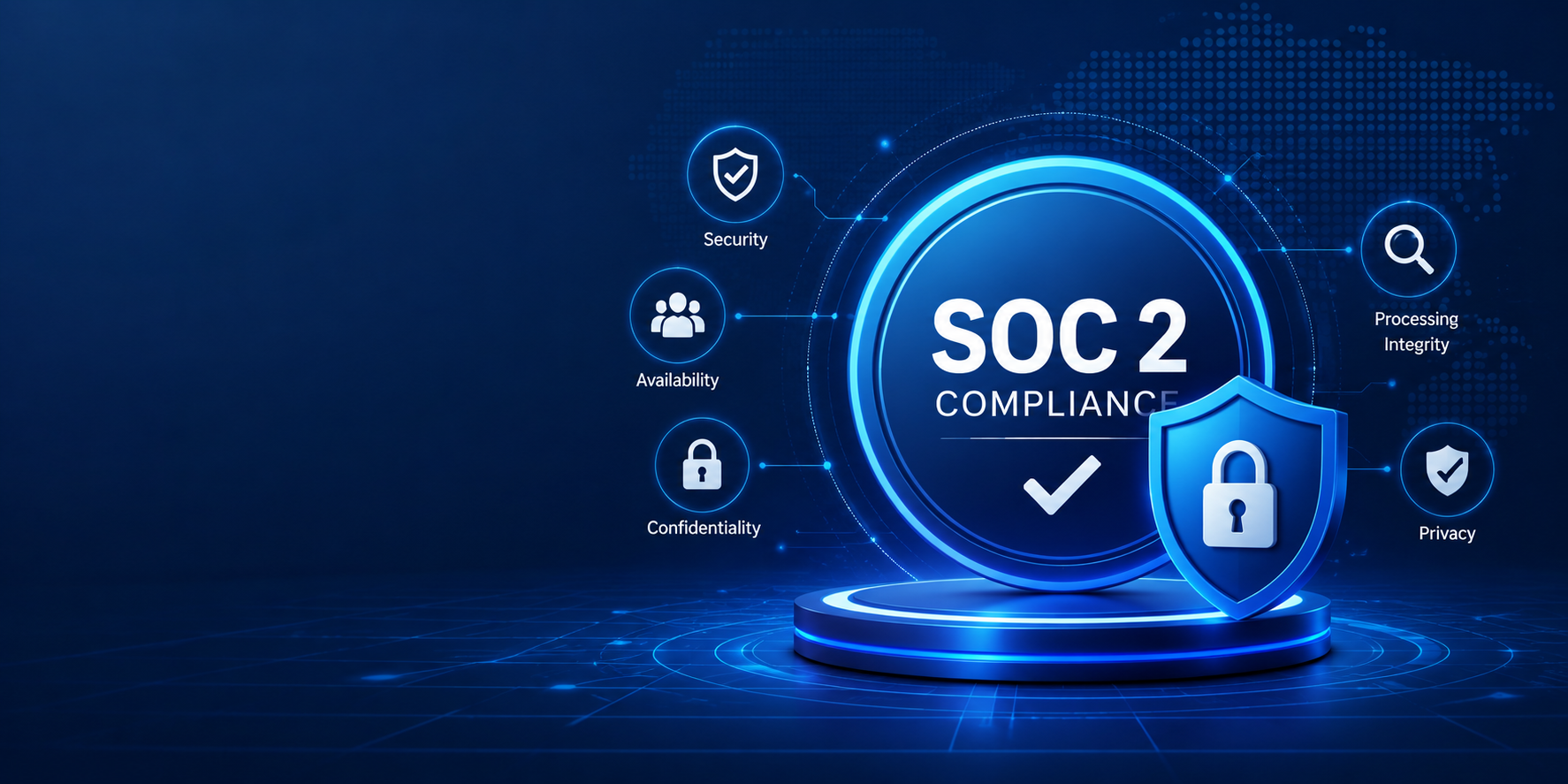
soc 2 compliance

Benefits of HIPAA Compliance

Build Trust with U.S. Healthcare Clients Healthcare organizations prefer vendors that can demonstrate mature information security practices and documented HIPAA compliance efforts.

Improve Data Security HIPAA encourages organizations to strengthen access controls, encryption, authentication, backup, monitoring, and incident response processes, reducing cybersecurity risks.

Win More Business Many U.S. healthcare contracts require vendors to demonstrate HIPAA readiness before onboarding.

Reduce Compliance Risks A proactive compliance program helps identify security vulnerabilities before they become costly incidents.

Strengthen Operational Processes HIPAA implementation improves governance, documentation, employee awareness, vendor management, and security culture across the organization.

Our HIPAA Compliance Consulting Services

Our consultants work closely with organizations to build practical, scalable HIPAA compliance programs tailored to their operations.

HIPAA Gap Assessment

We evaluate your current policies, procedures, technology, and security controls against HIPAA requirements to identify compliance gaps and prioritize remediation activities.

HIPAA Risk Assessment

A comprehensive HIPAA risk assessment identifies threats, vulnerabilities, and risks affecting electronic Protected Health Information (ePHI).

Our assessment includes:

  • Information asset identification
  • Risk analysis
  • Threat assessment
  • Vulnerability review
  • Security control evaluation
  • Risk prioritization
  • Remediation recommendations

HIPAA Policy and Procedure Development

We develop or improve documentation required to support a strong compliance program, including:

  • Information Security Policy
  • Privacy Policy
  • Password Policy
  • Access Control Policy
  • Remote Access Policy
  • Incident Response Plan
  • Business Continuity Plan
  • Disaster Recovery Plan
  • Vendor Management Procedures
  • Data Retention Policy
  • Breach Response Procedures

Administrative Safeguards

Administrative safeguards establish the governance framework for HIPAA compliance. Our consultants assist with:

  • Risk management
  • Workforce security
  • Employee awareness training
  • Security responsibilities
  • Vendor management
  • Business Associate Agreement (BAA) guidance
  • Compliance documentation
  • Internal audits

Technical Safeguards

Technical safeguards protect electronic Protected Health Information using appropriate security technologies. We help implement:

  • Multi-factor authentication (MFA)
  • Encryption
  • Secure authentication
  • Role-based access control
  • Audit logging
  • Endpoint protection
  • Secure backups
  • Network security
  • Data integrity controls
  • Security monitoring

Physical Safeguards

Physical security controls protect facilities, devices, and systems from unauthorized access, including:

  • Facility access management
  • Visitor controls
  • Device management
  • Secure workstation practices
  • Media disposal procedures
  • Equipment inventory management

HIPAA Workforce Training

Employees play a critical role in protecting patient information. Our training programs cover:

  • HIPAA fundamentals
  • Privacy requirements
  • Security best practices
  • Password security
  • Social engineering awareness
  • Phishing prevention
  • Secure handling of PHI
  • Incident reporting
  • Remote work security
  • Regulatory responsibilities

Training can be delivered online or instructor-led to support distributed teams.

Our HIPAA Compliance Process

We specialize in helping Indian businesses meet HIPAA requirements through expert HIPAA consulting and tailored HIPAA compliance services. Our approach includes:

Initial Consultation

We understand your business model, services, clients, technology environment, and compliance objectives.

HIPAA Gap Assessment

We compare your existing controls against HIPAA requirements and identify areas for improvement.

Risk Assessment

Our experts perform a comprehensive risk analysis covering people, processes, technology, and infrastructure.

Remediation Planning

We prepare a prioritized roadmap for addressing identified compliance gaps.

Security Control Implementation

We assist your organization in implementing administrative, physical, and technical safeguards.

Documentation Development

We prepare the policies, procedures, and supporting documentation required for your compliance program.

Employee Training

Your workforce receives role-based HIPAA awareness and security training.

Readiness Assessment

We conduct a final review to verify that implemented controls align with HIPAA expectations and client requirements.

Ongoing Compliance Support

HIPAA compliance is an ongoing process. We provide continued guidance as regulations, technologies, and business operations evolve.

Why Choose Our HIPAA Consultants?

Organizations choose us because we combine practical implementation experience with a structured compliance methodology.

Our strengths include:

  • Experienced compliance professionals
  • Tailored implementation approach
  • Industry-specific healthcare expertise
  • Practical, business-focused recommendations
  • End-to-end documentation support
  • Risk-based implementation methodology
  • Employee awareness programs
  • Ongoing compliance guidance

Whether you are a startup serving U.S. healthcare providers or an established enterprise expanding into the healthcare sector, we help you build a compliance program that supports long-term business growth.

cybersecurity-implementation-for-compliance

Frequently Asked Questions (FAQs)

What is HIPAA compliance?

HIPAA compliance means implementing administrative, physical, and technical safeguards to protect Protected Health Information (PHI) in accordance with the Health Insurance Portability and Accountability Act.

Is there an official HIPAA certification?

No. The U.S. government does not issue an official HIPAA certificate. Organizations generally demonstrate compliance through documented policies, risk assessments, security controls, workforce training, and independent compliance evaluations.

Why do Indian companies need HIPAA compliance?

Indian companies handling PHI for U.S. healthcare organizations are commonly required by their clients and contractual agreements to follow HIPAA privacy and security requirements.

What is a HIPAA risk assessment?

A HIPAA risk assessment identifies potential threats, vulnerabilities, and risks affecting electronic Protected Health Information (ePHI) and recommends measures to reduce those risks.

Which industries benefit from HIPAA compliance?

Healthcare software companies, BPO providers, cloud service providers, medical billing firms, telemedicine companies, AI healthcare platforms, healthcare analytics providers, and IT service companies working with U.S. healthcare organizations all benefit from HIPAA compliance.

How long does HIPAA implementation take?

Implementation timelines vary depending on your organization’s size, existing security controls, and operational complexity. Most projects require several weeks to a few months.

Does HIPAA require employee training?

Yes. Workforce training is a key administrative safeguard under HIPAA and helps employees understand how to protect patient information and respond to security incidents.

Can HIPAA compliance help us win new healthcare contracts?

Yes. Many U.S. healthcare organizations prefer vendors that can demonstrate mature privacy and security practices through documented HIPAA compliance programs.

Start Your HIPAA Compliance Journey

Protect patient information, strengthen your cybersecurity posture, and build confidence with U.S. healthcare clients through a structured HIPAA compliance program.

Whether you need a HIPAA gap assessment, risk assessment, policy development, workforce training, or ongoing compliance support, our consultants can help you implement practical solutions aligned with HIPAA requirements and industry best practices.

Latest Updates

post

Personal Data Under the GDPR

Special Categories of Personal Data Under the GDPR

The General Data Protection Regulation (GDPR) gives extra protection to certain types of sensitive personal...

SOC 2 Type I vs Type II: What’s the Difference?

Organizations pursuing SOC 2 compliance often ask whether they need a SOC 2 Type I...

SOC 2 Requirements: Everything Your Organization Needs to Achieve Compliance

SOC 2 requirements are the administrative, technical, and organizational controls an organization implements to protect...
SOC 2 Controls

SOC 2 Controls: Complete List, Examples, and Requirements for Compliance

Organizations that handle customer data must demonstrate strong security, privacy, and risk management practices. SOC...
SOC 2 Compliance Checklist for SaaS Companies

SOC 2 Compliance Checklist for SaaS Companies

SaaS companies handle customer data every day. Clients expect strong security before they trust your...
Why Small Businesses Can’t Ignore Data Privacy Laws Anymore

SOC 2 Certification in Canada: Complete Process Guide for SaaS Companies

For SaaS and technology companies operating in Canada, SOC 2 compliance has gradually turned into...
Penetration Testing vs. Vulnerability

Penetration Testing vs. Vulnerability Scanning: What’s the Difference?

Cybersecurity threats are constantly evolving, making proactive security assessments essential for every organization. Two of...

ISO Certification in New York ISO Consulting Services

ISO Certification in New York | ISO Consulting Services

Businesses in New York operate in a competitive market where quality, compliance, and trust matter...
ISO 9001 vs ISO 27001 – Which One Does Your Business Need

ISO 9001 vs ISO 27001: Which One Does Your Business Need?

In today’s competitive and data-driven world, businesses must focus on both quality and security. Two...