Cybersecurity is no longer optional for modern businesses. With increasing cyber threats, data breaches, and compliance requirements, organizations are expected to implement strong security frameworks to protect sensitive information. Two of the most recognized frameworks in the cybersecurity world are ISO 27001 and NIST 800-53.
Although both frameworks aim to improve information security, they are designed for different purposes and industries. Understanding their differences can help businesses choose the right approach for compliance, risk management, and long-term security.
What is ISO 27001?
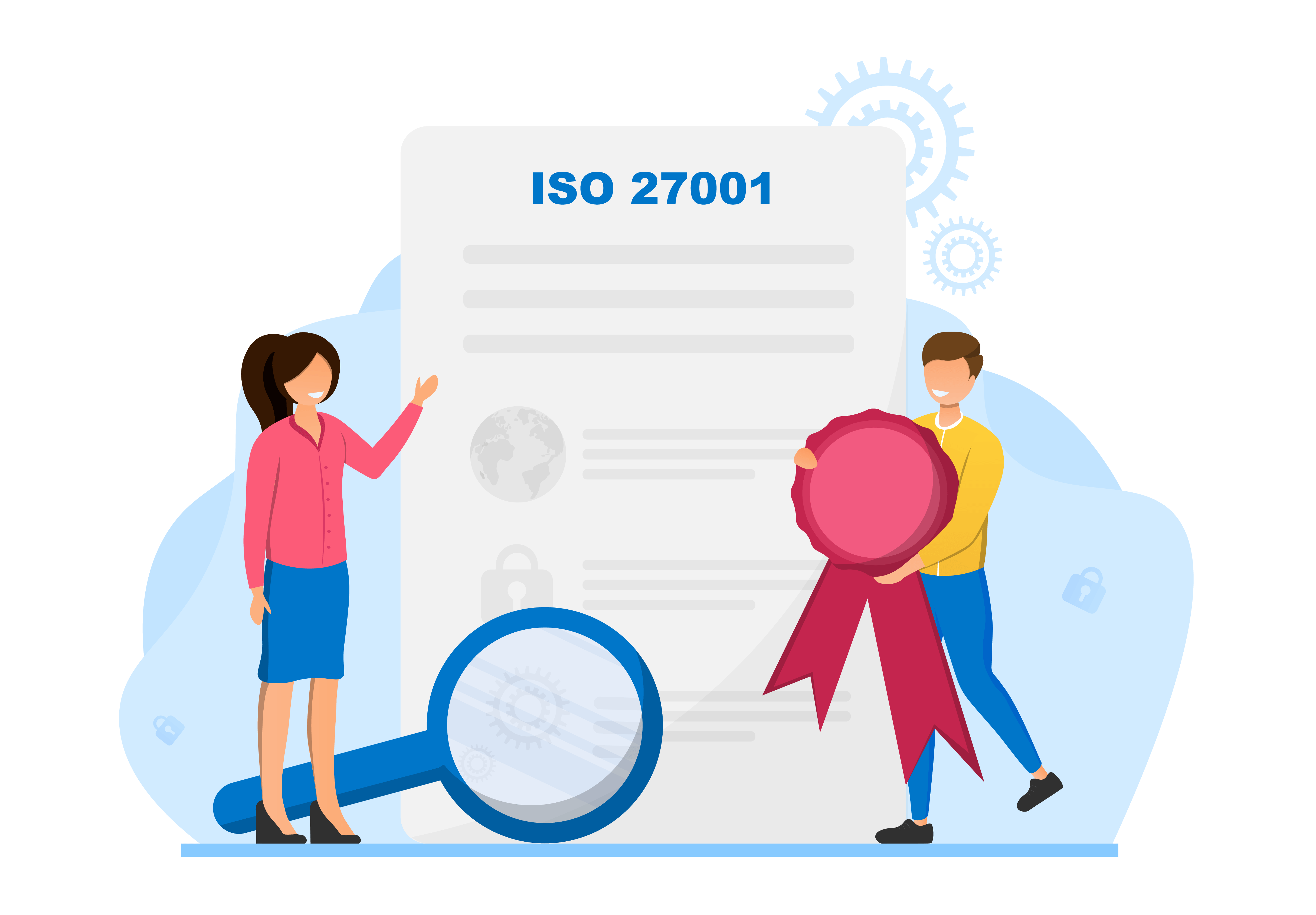
ISO 27001 is an internationally recognized standard for Information Security Management Systems (ISMS). It provides a structured framework for identifying risks, implementing controls, and continuously improving information security practices within an organization.
The standard focuses on managing security through policies, procedures, risk assessments, employee awareness, and ongoing monitoring. ISO 27001 is flexible and can be implemented by organizations of any size or industry.
One of the biggest advantages of ISO 27001 is certification. Organizations can undergo an independent audit and receive ISO 27001 certification, which demonstrates their commitment to protecting customer and business data.
ISO 27001 is widely used by:
- SaaS companies
- IT service providers
- Healthcare organizations
- Financial institutions
- Global enterprises
Because it is internationally recognized, ISO 27001 is often preferred by businesses working with clients across multiple countries.
What is NIST 800-53?
NIST 800-53 is a cybersecurity and privacy framework developed by the National Institute of Standards and Technology (NIST) in the United States. It provides a detailed catalog of security controls primarily designed for federal agencies and organizations working with government systems.
Unlike ISO 27001, NIST 800-53 is highly technical and control-focused. It includes extensive requirements related to:
- Access control
- Incident response
- Risk assessment
- Continuous monitoring
- System security
- Data protection
NIST 800-53 is commonly used by:
- U.S. federal agencies
- Government contractors
- Defense organizations
- Cloud service providers
- Organizations pursuing FedRAMP compliance
The framework is especially important for businesses handling sensitive government information or working within regulated federal environments.
Key Differences Between ISO 27001 and NIST 800-53
1. Scope and Purpose
ISO 27001 is a global standard focused on building and managing an Information Security Management System. It emphasizes risk management and organizational governance.
NIST 800-53 is a detailed control framework focused on implementing specific technical and operational security controls.
2. Certification
ISO 27001 offers official certification through accredited third-party audits. This certification can improve customer trust, business credibility, and compliance readiness.
NIST 800-53 does not provide direct certification. Organizations instead demonstrate compliance through audits, assessments, or federal authorization programs.
3. Flexibility
ISO 27001 is more flexible and risk-based. Organizations can tailor controls based on their business needs and security risks.
NIST 800-53 is more prescriptive and detailed, often requiring strict implementation of specific controls.
4. Complexity
ISO 27001 is generally easier to implement for businesses starting their cybersecurity journey.
NIST 800-53 can be more complex because it includes a large number of technical controls and documentation requirements.
5. Industry Focus
ISO 27001 is suitable for businesses across almost every industry worldwide.
NIST 800-53 is mainly designed for organizations connected to U.S. government operations or federal compliance requirements.
Which Framework Should You Choose?
The right choice depends on your organization’s goals, industry, and compliance obligations.
Choose ISO 27001 if:
- You want internationally recognized certification
- Your clients require proof of security management
- Your organization operates globally
- You need a flexible and scalable framework
- You want to build a long-term security governance program
Choose NIST 800-53 if:
- You work with U.S. federal agencies
- Your contracts require government compliance
- You need highly detailed technical security controls
- Your organization handles sensitive federal data
- You are pursuing FedRAMP or defense-related compliance
Can Organizations Use Both?
Yes. Many organizations combine ISO 27001 and NIST 800-53 to strengthen their cybersecurity posture.
For example, a company may implement ISO 27001 for global certification and governance while using NIST 800-53 controls to meet government security requirements. Combining both frameworks can help organizations improve risk management, strengthen technical security, and simplify compliance across multiple standards.
Final Thoughts
Both ISO 27001 and NIST 800-53 are highly respected cybersecurity frameworks, but they serve different business needs.
ISO 27001 is ideal for organizations looking for global recognition, structured security management, and certification. NIST 800-53 is best suited for government-focused environments requiring extensive technical controls and strict compliance measures.
Choosing the right framework depends on your business objectives, regulatory environment, and customer expectations. In many cases, organizations benefit from using both frameworks together to create a stronger and more comprehensive cybersecurity strategy.