



Application Process
Assist clients to fill in the client information form and give you the best quote on the basis of information shared.
ISO 14001 is the standard for Environmental Management Systems (EMS) and is crucial for organizations committed to minimizing their environmental impact. This standard provides a structured approach to managing environmental responsibilities, ensuring that organizations meet regulatory requirements while promoting sustainability. Implementing ISO 14001 can help reduce waste, lower energy consumption, and improve resource efficiency, resulting in significant cost savings and enhanced corporate responsibility. For organizations looking to enhance their environmental practices.
Environmental responsibility is increasingly important for businesses. ISO 14001 helps organizations manage their environmental impact effectively. Here’s why:
Regulatory Compliance: ISO 14001 ensures that organizations meet environmental laws and regulations, reducing the risk of fines, legal actions, and reputational damage.
Reduction in Environmental Impact: By implementing ISO 14001, organizations can reduce waste, energy consumption, and pollution, leading to a smaller environmental footprint and contributing to global sustainability goals.
Cost Savings: Improving resource efficiency through better waste management and reduced energy usage often results in significant cost savings, while also benefiting the environment.
Improved Corporate Reputation: Consumers are increasingly drawn to environmentally responsible companies. ISO 14001 certification signals a commitment to sustainability, improving your brand image and appealing to eco-conscious customers.
Risk Management: ISO 14001 helps identify environmental risks and puts systems in place to manage them effectively, preventing environmental incidents and ensuring business continuity.


Assist clients to fill in the client information form and give you the best quote on the basis of information shared.

Audit the client’s management system documentation, collect necessary information regarding the scope of the management system, and determine the preparedness for Stage 2 audit.

Evaluate the implementation, including effectiveness, of the management system. The Stage 2 audit gathers evidence of conformity with all standard requirements and confirms compliance implementation.

Verifying the implementation of the management system, monitoring continual compliance to the applicable standard and other normative documents.

Verify overall continuing effectiveness of the organization’s management system in entirety.

Assist you in a smooth transfer process from your existing certification and complete the certification cycle.

Specialized in handling multiple audits.

Share your success with the world.
Share your project scope, current readiness, timeline, or the key support you need. Our experts will review your enquiry and guide you with the right next steps.
ISO 14001 is an international standard that outlines the requirements for an environmental management system.
ISO 14001 helps organizations reduce environmental impact, improve compliance, reduce waste, manage resources better, and build sustainability credibility.
The timeline depends on organization size, environmental scope, existing EMS maturity, documentation readiness, and certification goals.
ISO 14001 is usually voluntary, but it may be required by customers, tenders, contracts, regulators, or sustainability-focused business partners.
Auditors review EMS scope, environmental aspects and impacts, legal compliance, objectives, controls, internal audits, corrective actions, and continual improvement evidence.

Environmental Expertise: Our team specializes in auditing environmental management practices.
Tailored Audit Solutions: We customize our auditing services to align with your organization’s sustainability goals.
Comprehensive Support: We provide end-to-end support from initial assessments to ongoing audits.
Proven Track Record: We have successfully assisted numerous organizations in achieving ISO 14001 certification.
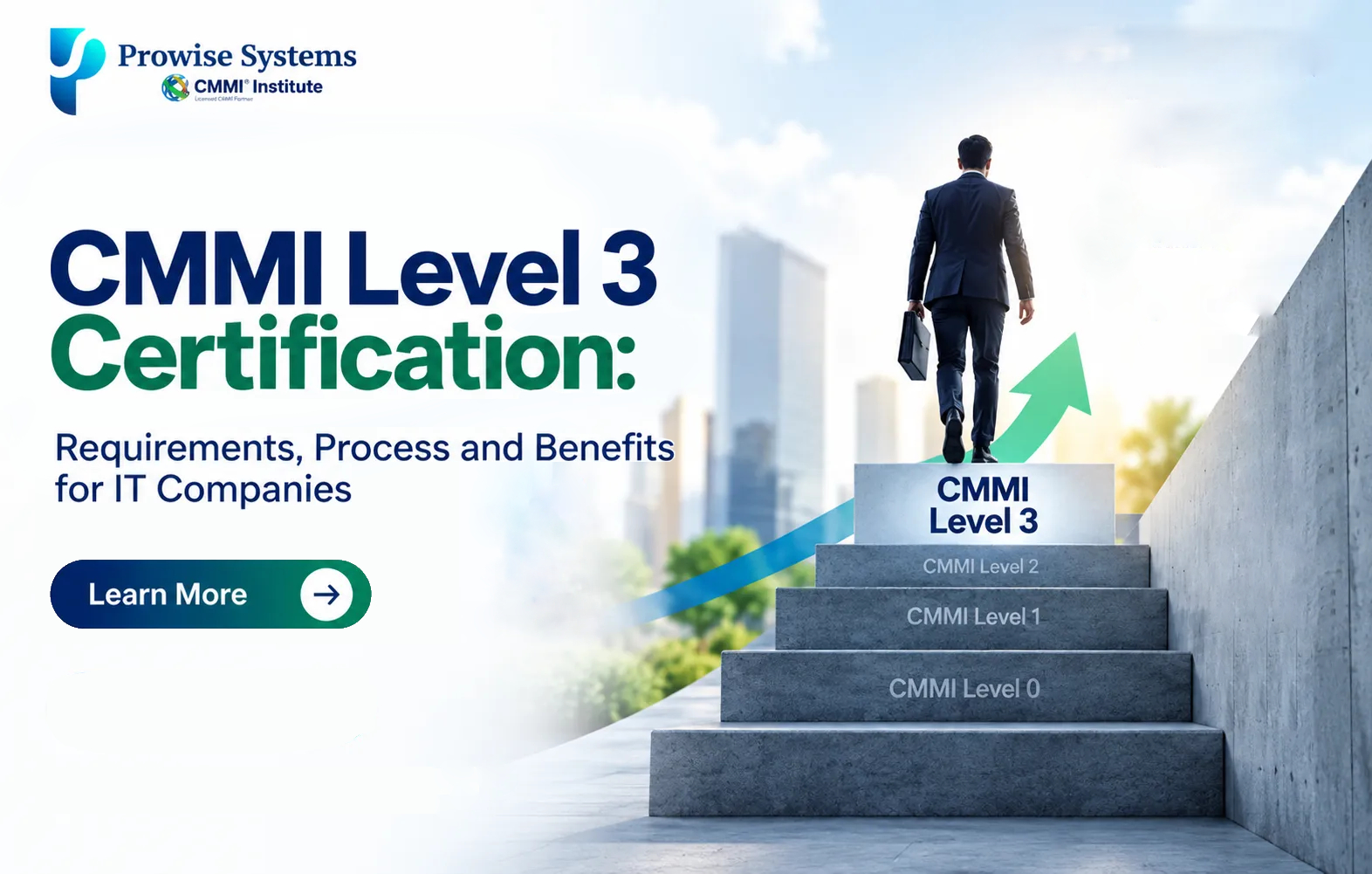
Understand what CMMI Level 3 certification means for IT and software companies, including key requirements, implementation steps, benefits, challenges, FAQ...
Read More »
ISO 27001 implementation is the process of establishing, operating, maintaining, and continually improving an Information Security Management System (ISMS)...
Read More »
An ISO 27001 gap analysis helps organizations determine how closely their existing information security practices align with the requirements of ISO/IEC 27...
Read More »
SOC 2 vs ISO 27001 is an important comparison for SaaS companies, technology providers, startups, and organizations selling to enterprise customers. Both f...
Read More »
Healthcare organizations increasingly rely on cloud platforms, digital records, telehealth services, and third-party vendors to deliver care. As sensitive...
Read More »
As cybersecurity threats continue to evolve, organizations working with the U.S. Department of Defense (DoD) must demonstrate strong security practices to...
Read More »
Cybersecurity threats are constantly evolving, making proactive security assessments essential for every organization. Two of the most common security asse...
Read More »
In today’s digital economy, compliance is no longer just about passing audits or meeting regulatory requirements. Organizations are expected to demonstrate...
Read More »
SOC 2 requirements are the administrative, technical, and organizational controls an organization implements to protect customer data and demonstrate compl...
Read More »