



Application Process
Assist clients to fill in the client information form and give you the best quote on the basis of information shared.

ISO 22301 is the international standard for Business Continuity Management Systems (BCMS). In an era where businesses face an increasing number of risks, from natural disasters to cyberattacks, ISO 22301 provides a framework for ensuring that organizations can continue operating during and after disruptive incidents. Implementing ISO 22301 helps businesses identify potential risks, develop contingency plans, and ensure that critical operations remain functional in the face of adversity. Achieving this certification signals to customers and partners that your organization is resilient and prepared for unexpected events.
In an unpredictable world, ISO 22301 ensures business resilience. Here’s why:
Business Continuity: ISO 22301 prepares organizations for potential disruptions, ensuring that critical functions can continue operating during emergencies, such as natural disasters, cyberattacks, or pandemics.
Risk Mitigation: By identifying and managing potential risks, ISO 22301 helps organizations reduce the impact of disruptive events, ensuring minimal downtime and quicker recovery.
Increased Customer Confidence: Customers and partners are more likely to trust organizations that have a proven business continuity plan. ISO 22301 certification shows that your organization is prepared for disruptions, safeguarding business relationships.
Regulatory Compliance: Many industries require organizations to have a business continuity plan in place. ISO 22301 ensures that your organization complies with these regulations, avoiding legal and contractual risks.
Operational Resilience: ISO 22301 improves organizational resilience by ensuring that businesses can adapt to changes, recover quickly, and continue delivering services during disruptions.


Assist clients to fill in the client information form and give you the best quote on the basis of information shared.

Audit the client’s management system documentation, collect necessary information regarding the scope of the management system and determine the preparedness for Stage 2 audit.

Evaluate the implementation, including effectiveness, of the management system. The Stage 2 audit gathers evidence of conformity with all standard requirements and confirms compliance implementation.
Verifying the implementation of the management system, monitoring continual compliance to the applicable standard and other normative documents.

Verify overall continuing effectiveness of the organization’s management system in entirety.

Assist you in a smooth transfer process from your existing certification and complete the certification cycle.

Specialized in handling multiple audits.

Share your success with the world.
Share your project scope, current readiness, timeline, or the key support you need. Our experts will review your enquiry and guide you with the right next steps.
ISO 22301 is an international standard for business continuity management systems.
ISO 22301 certification helps organizations improve resilience, reduce disruption impact, protect critical operations, and demonstrate readiness to customers and stakeholders.
The timeline depends on organization size, operational complexity, continuity documentation, business impact analysis maturity, and certification scope.
ISO 22301 is generally voluntary, but it can support contractual, regulatory, customer, and resilience requirements.
Auditors review continuity policies, business impact analysis, risk assessment, recovery plans, exercises, documentation, and evidence that the business continuity management system works effectively.

BCM Expertise: Our team specializes in business continuity management and compliance.
Tailored Solutions: We customize our auditing services to fit your organization’s specific continuity needs.
Comprehensive Support: We provide complete support from initial assessments to ongoing audits.
Proven Track Record: We have successfully guided numerous organizations through the ISO 22301 certification process.
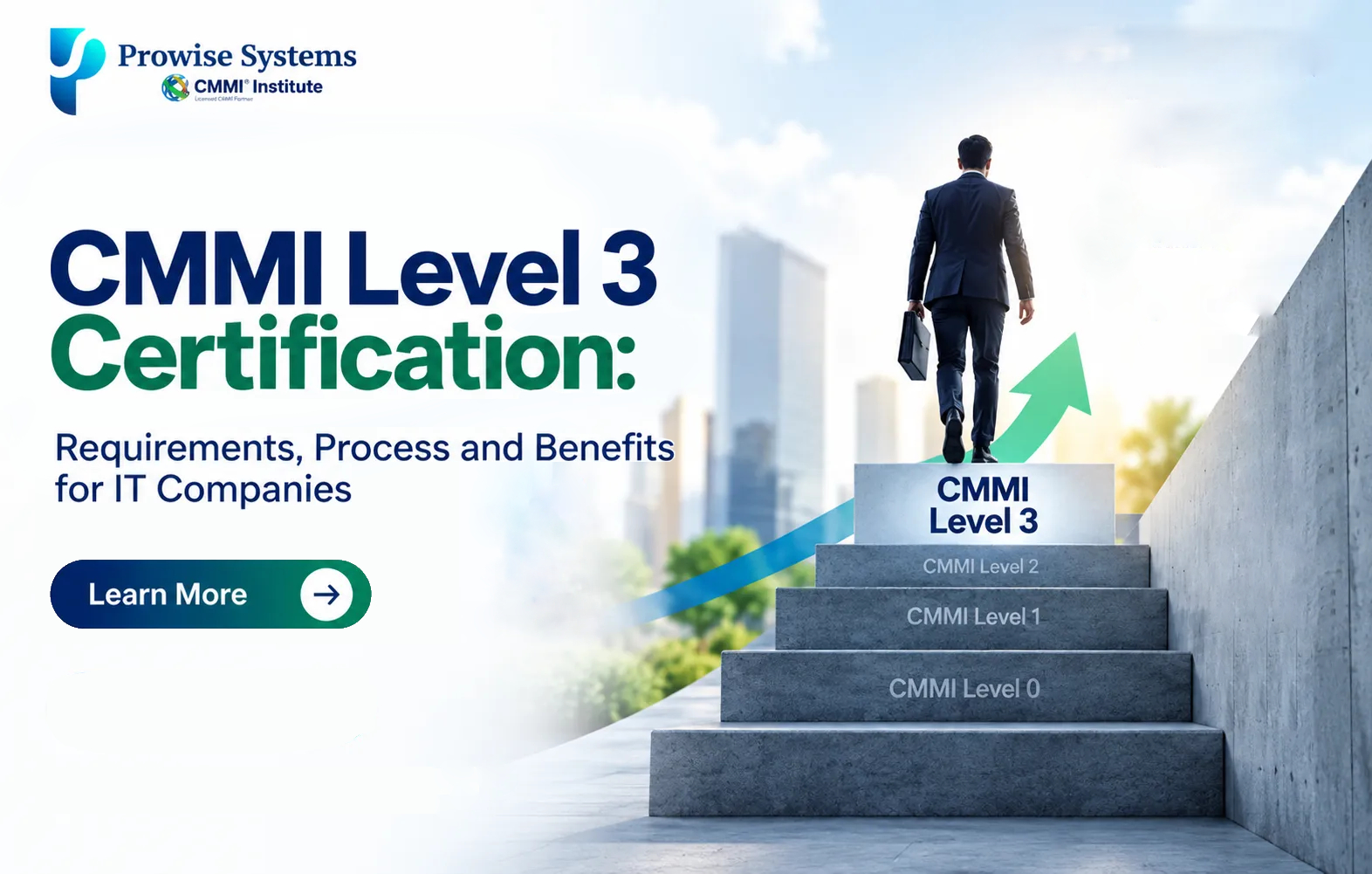
Understand what CMMI Level 3 certification means for IT and software companies, including key requirements, implementation steps, benefits, challenges, FAQ...
Read More »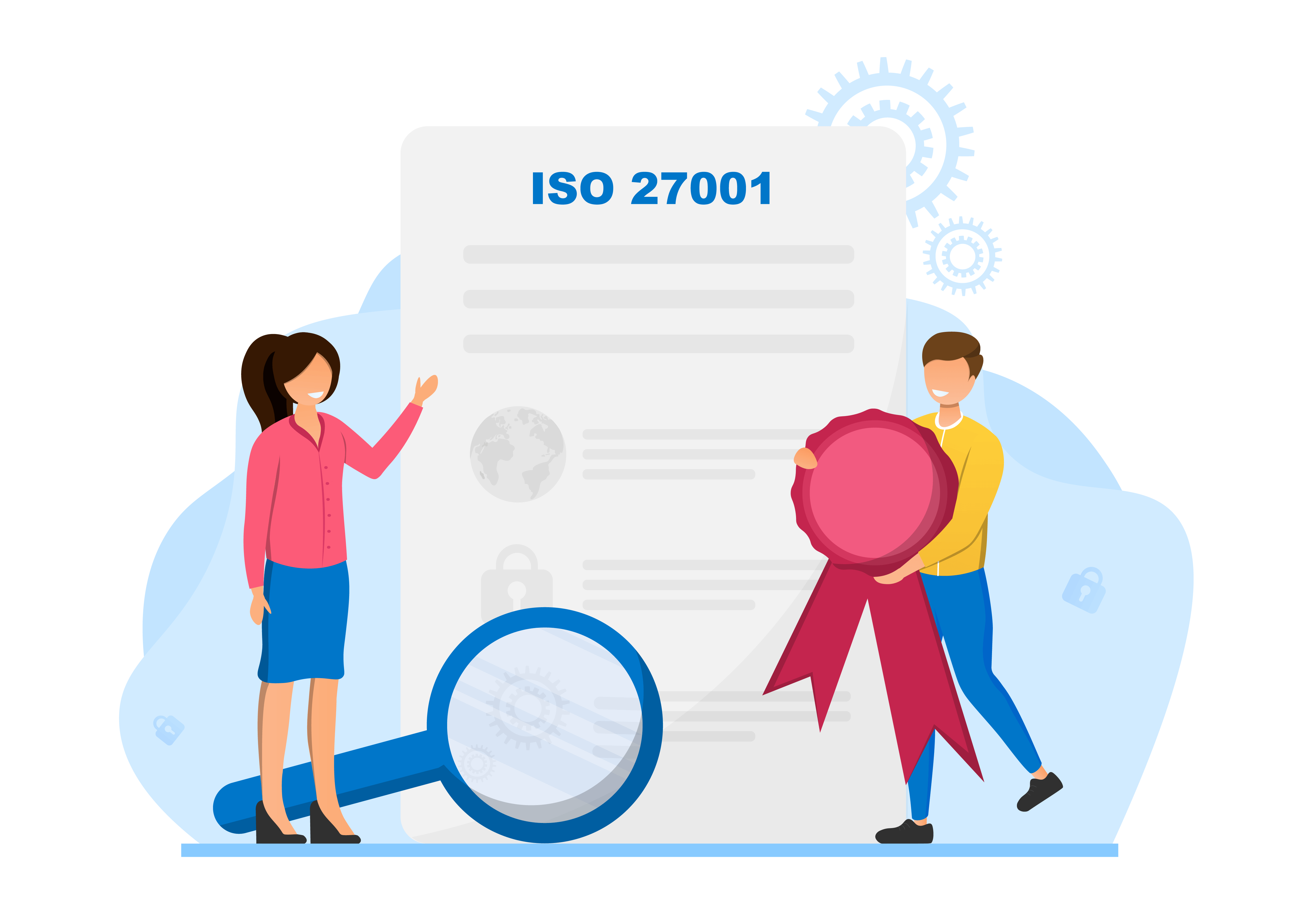
ISO 27001 implementation is the process of establishing, operating, maintaining, and continually improving an Information Security Management System (ISMS)...
Read More »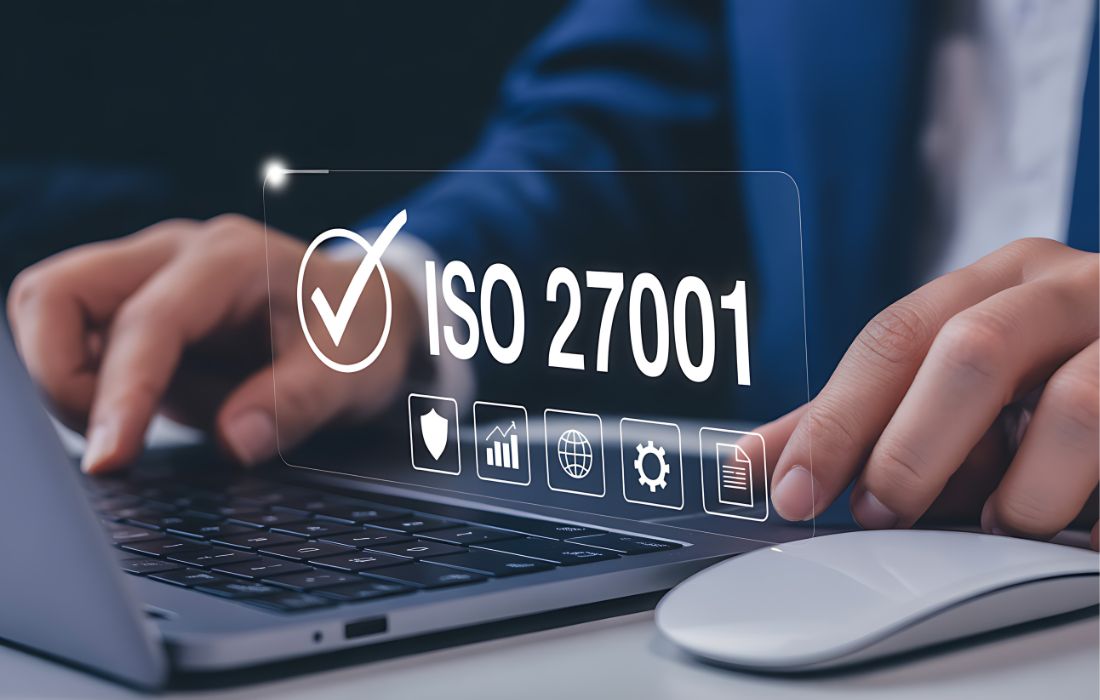
An ISO 27001 gap analysis helps organizations determine how closely their existing information security practices align with the requirements of ISO/IEC 27...
Read More »
SOC 2 vs ISO 27001 is an important comparison for SaaS companies, technology providers, startups, and organizations selling to enterprise customers. Both f...
Read More »
Healthcare organizations increasingly rely on cloud platforms, digital records, telehealth services, and third-party vendors to deliver care. As sensitive...
Read More »
As cybersecurity threats continue to evolve, organizations working with the U.S. Department of Defense (DoD) must demonstrate strong security practices to...
Read More »
Cybersecurity threats are constantly evolving, making proactive security assessments essential for every organization. Two of the most common security asse...
Read More »
In today’s digital economy, compliance is no longer just about passing audits or meeting regulatory requirements. Organizations are expected to demonstrate...
Read More »
SOC 2 requirements are the administrative, technical, and organizational controls an organization implements to protect customer data and demonstrate compl...
Read More »