



Application Process
Assist clients to fill in the client information form and give you the best quote on the basis of information shared.
ISO 45001 is the global standard for Occupational Health and Safety Management Systems (OHSMS), designed to help organizations ensure the safety and well-being of their employees. This standard provides a comprehensive framework for identifying and mitigating risks related to workplace safety, which reduces the likelihood of accidents, injuries, and illnesses. ISO 45001 certification demonstrates a company’s commitment to maintaining a safe work environment, which can lead to increased employee morale, improved productivity, and reduced absenteeism.
ISO 45001 is essential for maintaining workplace safety and employee well-being. Here’s why:
Improved Employee Safety: ISO 45001 helps organizations identify and mitigate risks related to occupational health and safety, reducing accidents, injuries, and illness at the workplace.
Legal Compliance: This standard ensures that organizations comply with local and international health and safety regulations, avoiding legal penalties and reputational harm.
Increased Productivity: A safer work environment leads to fewer accidents, less downtime, and increased worker morale, which in turn boosts productivity and efficiency.
Reduction in Costs: Reducing workplace accidents lowers medical costs, compensation claims, and lost workdays, ultimately saving money for the organization.
Employee Engagement and Morale: ISO 45001 fosters a culture of safety, where employees feel valued and protected. This leads to higher morale, better engagement, and lower turnover rates.


Assist clients to fill in the client information form and give you the best quote on the basis of information shared.
Audit the client’s management system documentation, collect necessary information regarding the scope of the management system, and determine the preparedness for Stage 2 audit.

Evaluate the implementation, including effectiveness, of the management system. The Stage 2 audit gathers evidence of conformity with all standard requirements and confirms compliance implementation.
Verifying the implementation of the management system, monitoring continual compliance to the applicable standard and other normative documents.

Verify overall continuing effectiveness of the organization’s management system in entirety.

Assist you in a smooth transfer process from your existing certification and complete the certification cycle.

Specialized in handling multiple audits.

Share your success with the world.
Share your project scope, current readiness, timeline, or the key support you need. Our experts will review your enquiry and guide you with the right next steps.
ISO 45001 is an international standard for managing occupational health and safety.
ISO 45001 helps organizations improve workplace safety, reduce incidents, support legal compliance, and strengthen employee confidence.
The timeline depends on organization size, current safety practices, OH&S documentation, operational risk profile, and certification scope.

Safety Expertise: Our consultants specialize in auditing occupational health and safety management systems.
Customized Audit Approach: We tailor our auditing services to meet your organization’s specific health and safety needs.
Comprehensive Solutions: We offer end-to-end support from initial assessments to final audits.
Proven Success: We have a strong track record of helping organizations achieve ISO 45001 certification.
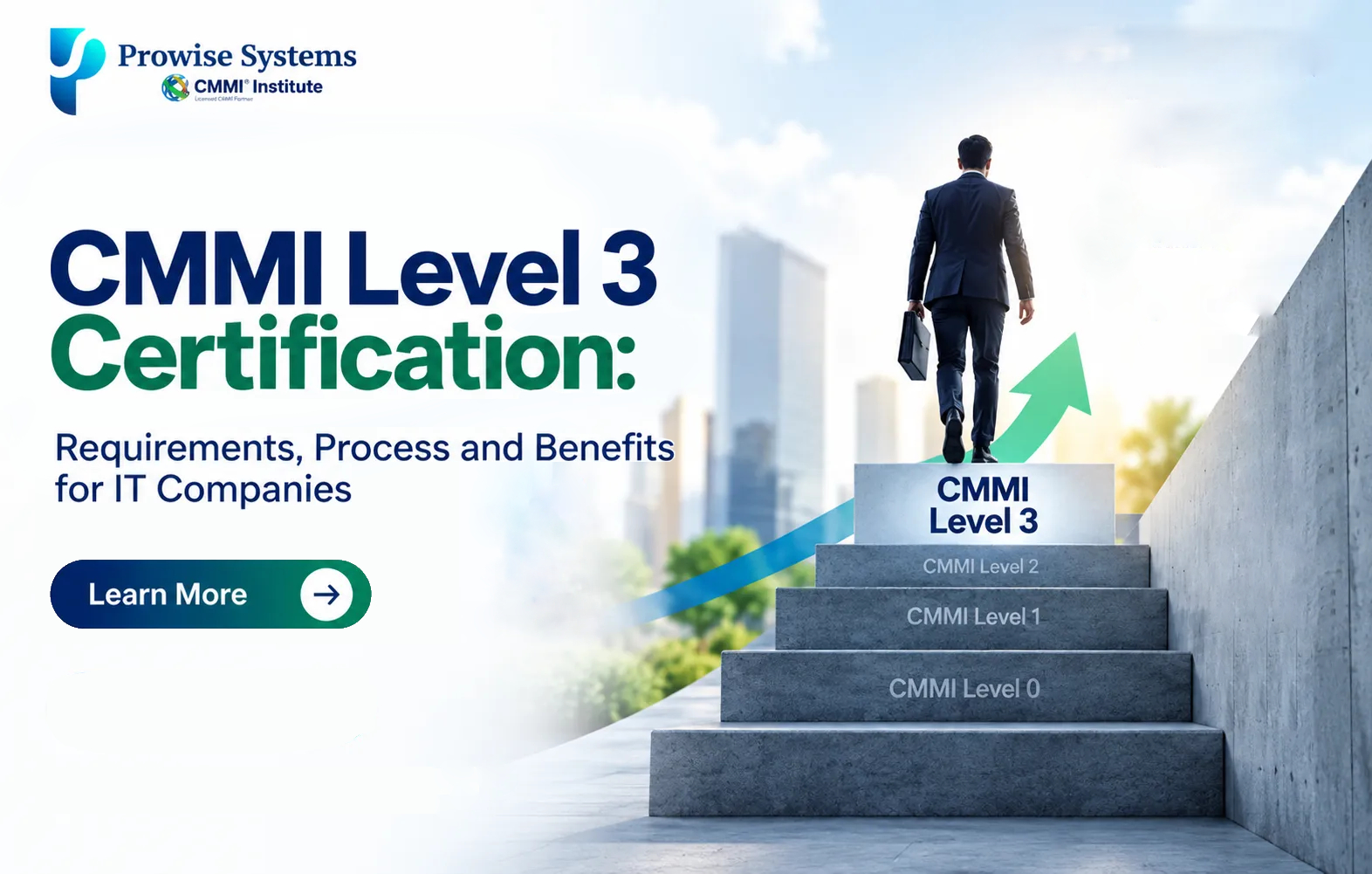
Understand what CMMI Level 3 certification means for IT and software companies, including key requirements, implementation steps, benefits, challenges, FAQ...
Read More »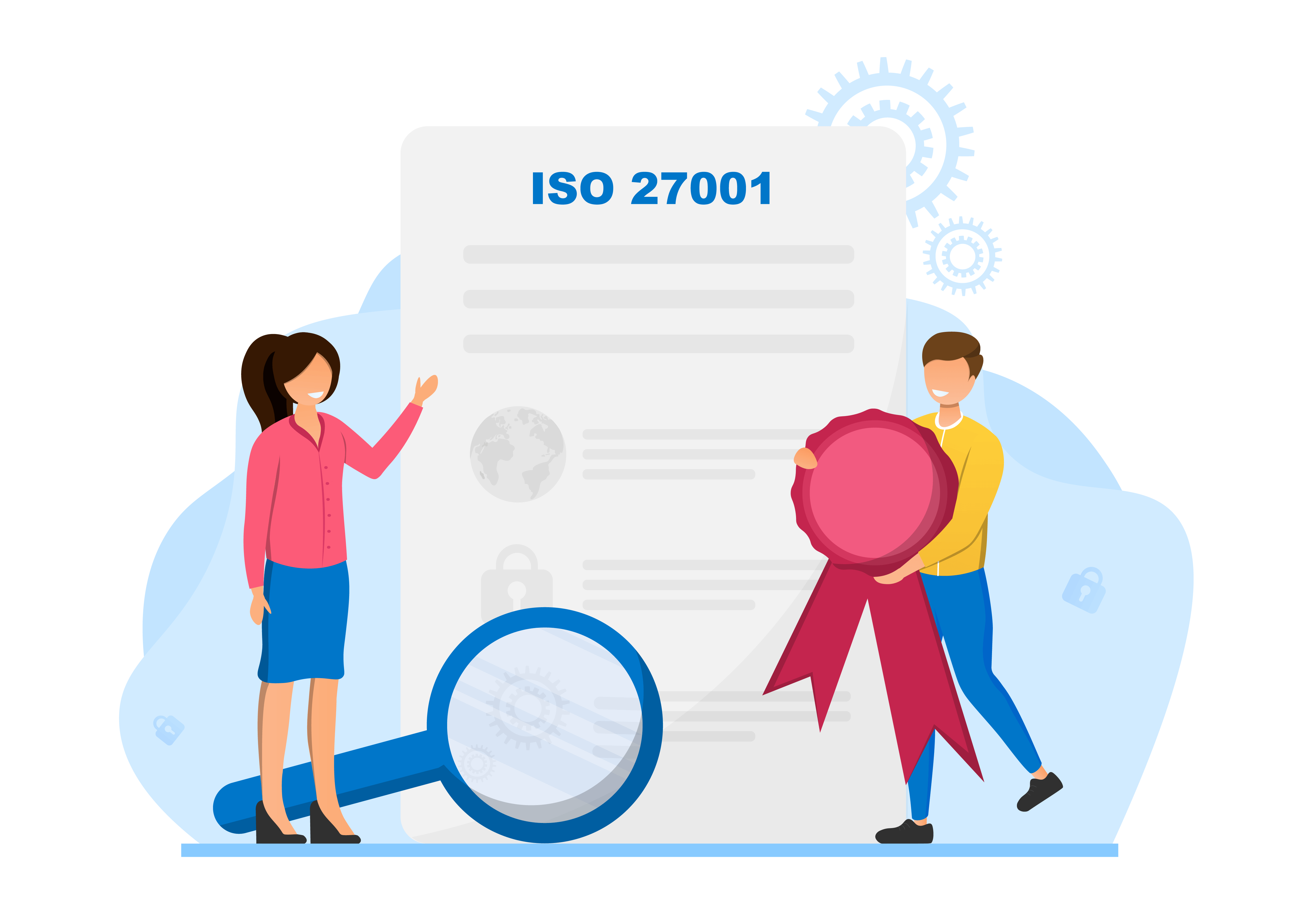
ISO 27001 implementation is the process of establishing, operating, maintaining, and continually improving an Information Security Management System (ISMS)...
Read More »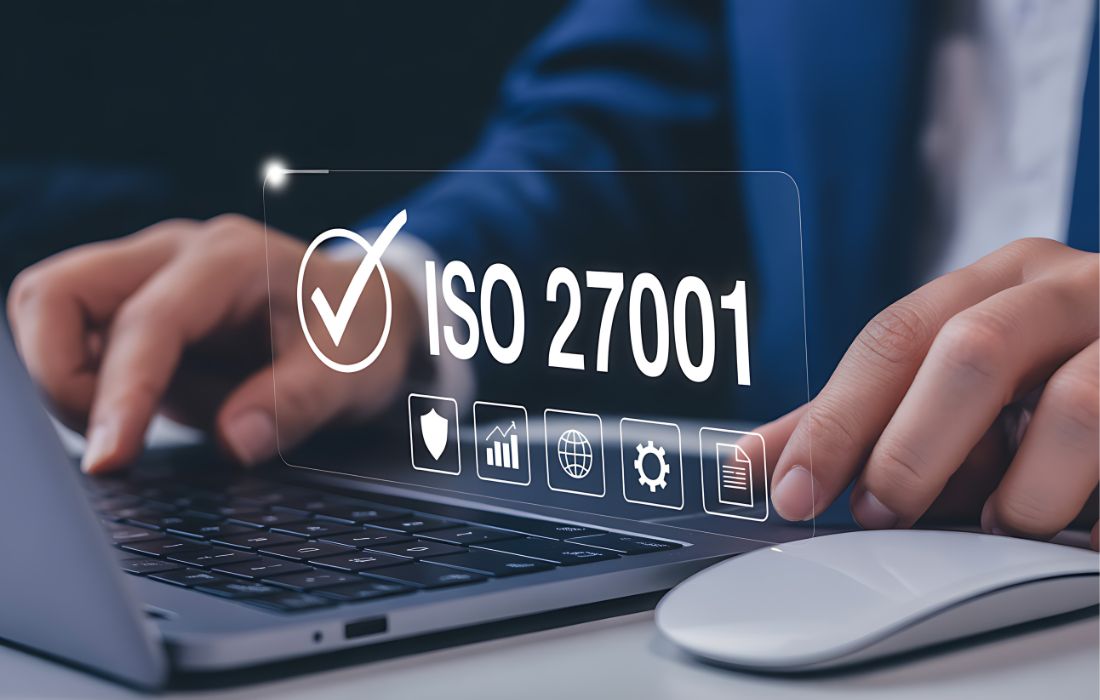
An ISO 27001 gap analysis helps organizations determine how closely their existing information security practices align with the requirements of ISO/IEC 27...
Read More »
SOC 2 vs ISO 27001 is an important comparison for SaaS companies, technology providers, startups, and organizations selling to enterprise customers. Both f...
Read More »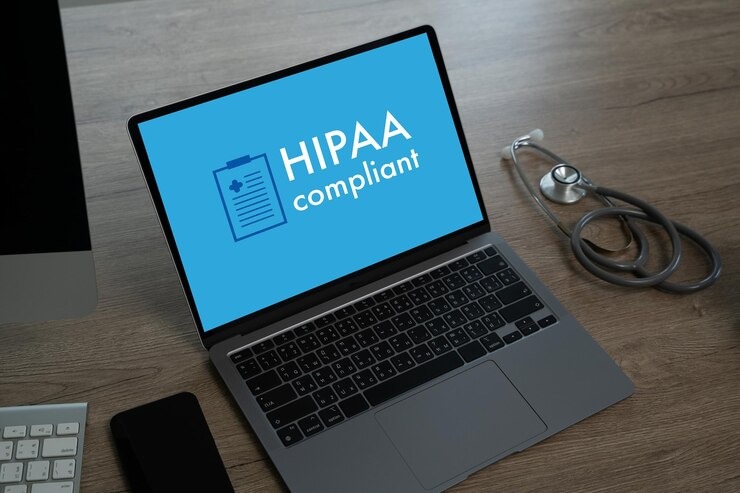
Healthcare organizations increasingly rely on cloud platforms, digital records, telehealth services, and third-party vendors to deliver care. As sensitive...
Read More »
As cybersecurity threats continue to evolve, organizations working with the U.S. Department of Defense (DoD) must demonstrate strong security practices to...
Read More »
Cybersecurity threats are constantly evolving, making proactive security assessments essential for every organization. Two of the most common security asse...
Read More »
In today’s digital economy, compliance is no longer just about passing audits or meeting regulatory requirements. Organizations are expected to demonstrate...
Read More »
SOC 2 requirements are the administrative, technical, and organizational controls an organization implements to protect customer data and demonstrate compl...
Read More »