



Gap Assessment
Review existing processes, documentation, and operational controls against ISO 9001 requirements.

ISO 9001 is the world’s most recognized standard for Quality Management Systems (QMS). ProWise Systems helps organizations implement ISO 9001 frameworks to improve operational consistency, strengthen quality management practices, standardize workflows, and enhance customer satisfaction.
We support businesses across manufacturing, SaaS, IT services, engineering, healthcare, logistics, and enterprise environments with practical ISO 9001 implementation guidance, documentation support, internal audits, and certification readiness services.
Organizations often combine ISO 9001 with frameworks such as ISO 27001, SOC 2, and CMMI to strengthen governance, operational maturity, and enterprise credibility.
Organizations implementing ISO 9001 aim to improve quality consistency, operational efficiency, customer satisfaction, and governance visibility across business processes.
ISO 9001 helps organizations:
Organizations with structured quality management systems often achieve better operational consistency and stronger customer relationships.

Many organizations struggle with:
ISO 9001 helps organizations establish standardized processes, improve quality governance, strengthen accountability, and support continuous operational improvement.
ISO 9001 is suitable for organizations of all sizes and industries, including:
Organizations seeking stronger operational control, process consistency, and enterprise credibility commonly adopt ISO 9001 frameworks.

Review existing processes, documentation, and operational controls against ISO 9001 requirements.

Prepare quality policies, procedures, process maps, and evidence aligned with QMS requirements.

Support practical implementation and train teams on quality management practices.

Conduct internal audits to identify gaps, strengthen documentation, and improve compliance readiness.

Support organizations through certification audit preparation and compliance review activities.

Internal audit plays an important role in identifying quality management gaps before certification audits.
Internal readiness reviews help organizations:
Structured internal audits help organizations improve confidence before final certification assessments.

Share your project scope, current readiness, timeline, or the key support you need. Our experts will review your enquiry and guide you with the right next steps.
ISO 9001 is an international standard for Quality Management Systems (QMS) that helps organizations improve quality consistency, operational efficiency, and customer satisfaction.
The timeline depends on organization size, process maturity, documentation readiness, and the scope of the quality management system.
ISO 9001 is usually voluntary, but customers, tenders, contracts, and industry expectations may require certification.
Auditors review your QMS, documented processes, records, corrective actions, internal audits, and evidence of continual improvement.
Yes. Startups can implement ISO 9001 with a right-sized QMS that supports consistent delivery without unnecessary complexity.
Work with experienced ISO consultants to improve operational consistency, strengthen quality management practices, standardize workflows, and prepare confidently for certification readiness.
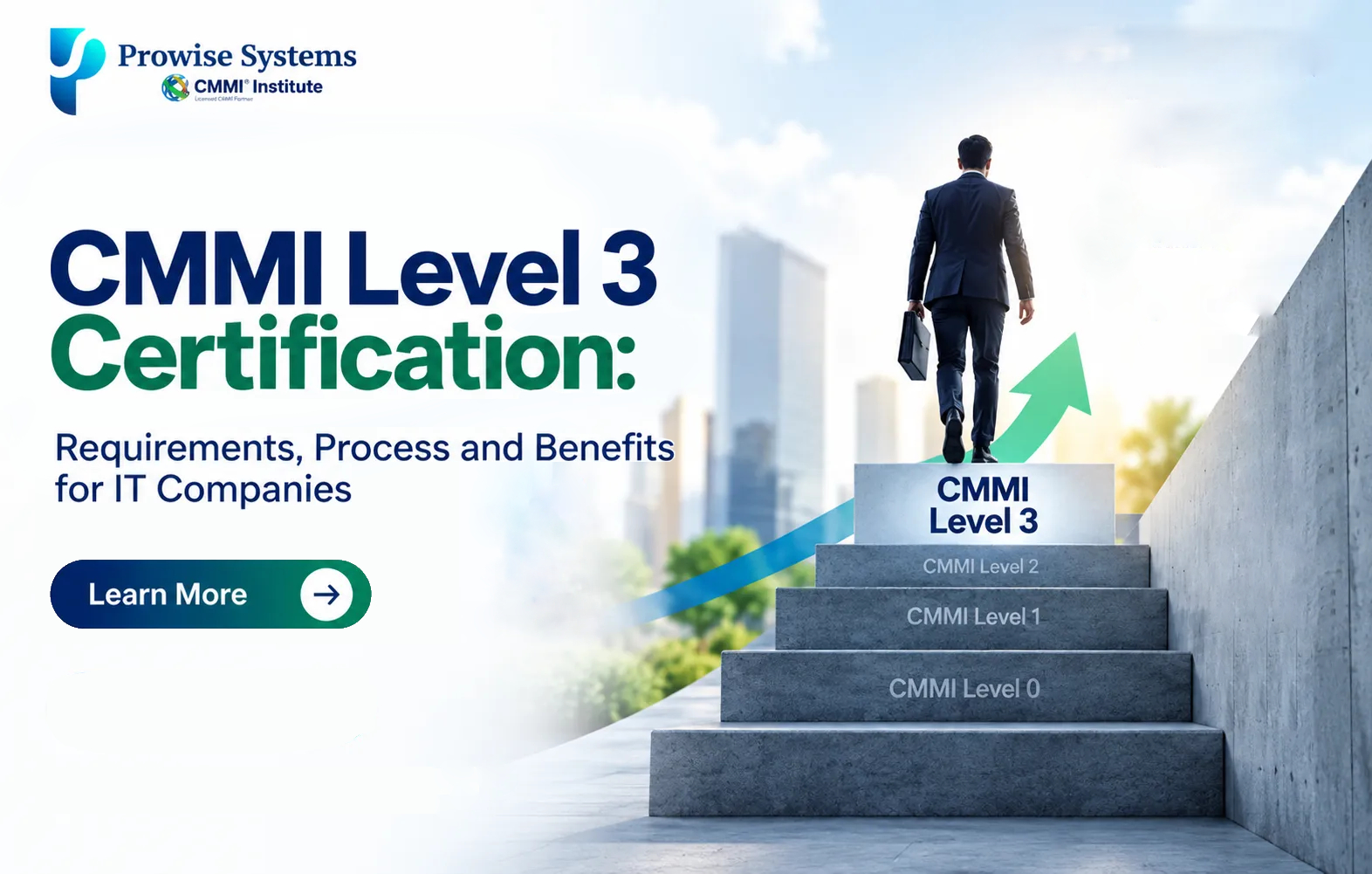
Understand what CMMI Level 3 certification means for IT and software companies, including key requirements, implementation steps, benefits, challenges, FAQ...
Read More »
ISO 27001 implementation is the process of establishing, operating, maintaining, and continually improving an Information Security Management System (ISMS)...
Read More »
An ISO 27001 gap analysis helps organizations determine how closely their existing information security practices align with the requirements of ISO/IEC 27...
Read More »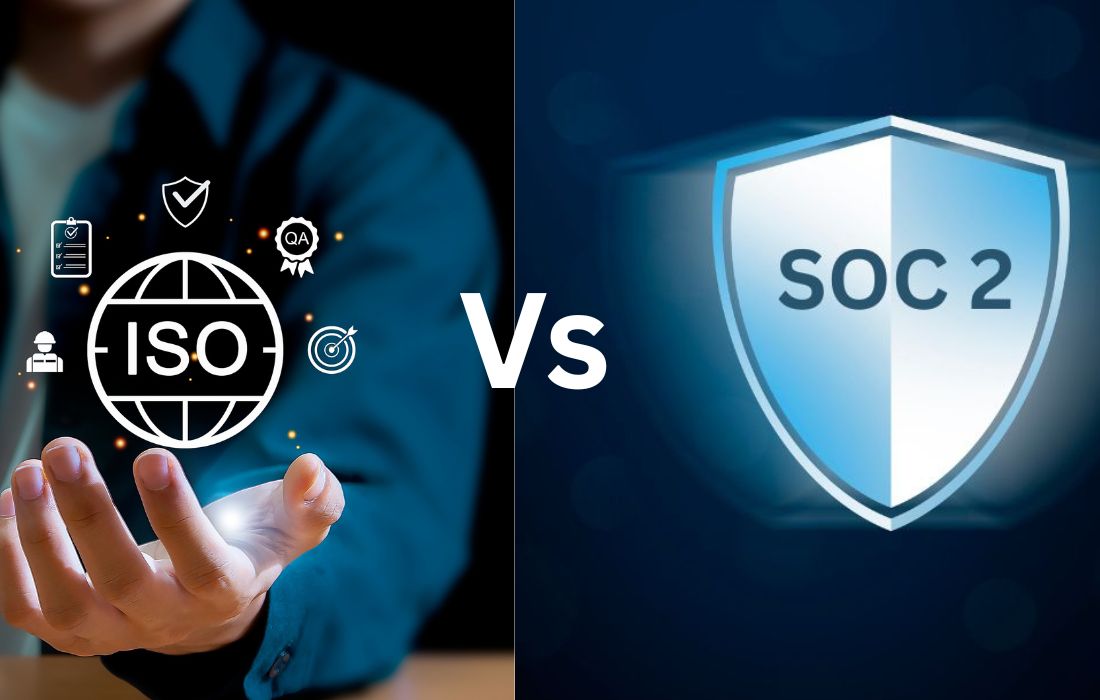
SOC 2 vs ISO 27001 is an important comparison for SaaS companies, technology providers, startups, and organizations selling to enterprise customers. Both f...
Read More »
Healthcare organizations increasingly rely on cloud platforms, digital records, telehealth services, and third-party vendors to deliver care. As sensitive...
Read More »
As cybersecurity threats continue to evolve, organizations working with the U.S. Department of Defense (DoD) must demonstrate strong security practices to...
Read More »
Cybersecurity threats are constantly evolving, making proactive security assessments essential for every organization. Two of the most common security asse...
Read More »
In today’s digital economy, compliance is no longer just about passing audits or meeting regulatory requirements. Organizations are expected to demonstrate...
Read More »
SOC 2 requirements are the administrative, technical, and organizational controls an organization implements to protect customer data and demonstrate compl...
Read More »