



Business Understanding
Evaluating business processes and environment to understand the payment ecosystem.

The Payment Card Industry Data Security Standard (PCI DSS) is essential for any organization that processes, stores, or transmits credit card information. PCI DSS outlines a set of security measures designed to protect cardholder data from fraud and cyberattacks. It is particularly critical for businesses in industries such as retail, e-commerce, financial services, and hospitality, where handling payment transactions is central to operations.
PCI DSS compliance helps organizations safeguard against data breaches, which can lead to financial losses, legal repercussions, and damage to brand reputation. By achieving PCI DSS certification, organizations demonstrate their commitment to securing payment data, building trust with customers, and payment processors.
Prevent Data Breaches: PCI DSS compliance helps protect sensitive payment data from cyberattacks and breaches. By adhering to its security standards, your organization can minimize the risk of costly data breaches that could damage your business.
Avoid Penalties: Non-compliance with PCI DSS can result in substantial fines, increased transaction fees, or suspension of your ability to process card payments. For larger data breaches, these fines can reach millions of dollars.
Build Customer Trust: When customers trust that their payment information is secure, they are more likely to engage with your business. PCI DSS compliance signals to customers that you take data protection seriously and have implemented best-in-class security practices.
Legal and Contractual Obligations: Many payment processing agreements and legal frameworks require compliance with PCI DSS. Failing to comply can result in termination of processing agreements or additional legal liability.
Reputation Protection: A data breach can severely damage your company’s reputation. PCI DSS compliance helps maintain a secure environment, protecting your brand from the negative consequences of a breach.
PCI DSS Readiness Assessment: We assess your organization’s current security measures, identifying any gaps or areas of non-compliance with PCI DSS. We provide a roadmap for achieving full compliance.
Gap Analysis and Risk Assessment: Our team conducts a comprehensive gap analysis and risk assessment to determine your organization’s vulnerabilities and security risks in relation to PCI DSS.
Policy and Procedure Development: We help you develop and implement the necessary policies and procedures to align with PCI DSS requirements, ensuring that your organization’s practices meet the highest security standards.
Network Security Implementation: Our experts assist in securing your network and payment systems by deploying firewalls, encryption protocols, and intrusion detection systems to protect cardholder data.
Ongoing Monitoring and Compliance Support: PCI DSS compliance is an ongoing process. We offer continuous monitoring, security audits, and compliance support to ensure your organization remains compliant year-round.
PCI DSS Certification Support: We guide you through the entire certification process, helping you prepare for PCI DSS audits and ensuring all documentation is accurate and up-to-date.


Evaluating business processes and environment to understand the payment ecosystem.

Finalize the scope elements and prepare the requirement documentation.

Identify the potential challenges that might arise during implementation.

Identifying and analyzing risks in the information security landscape.

Conducting thorough reviews to evaluate data flow and possible leakage.

Assist you with a set of policy and procedure templates for validation and evidence collection.

Expert tips for remediating violations to compliance obligations.

Conduct awareness sessions for your team and personnel involved in the scope.

Identify critical vulnerabilities in your system with a robust testing approach.

Review of the evidence collected to assess maturity and controls.
Final assessment and attestation based on compliance requirements.
Support your team in maintaining compliance by providing guidance.
Share your project scope, current readiness, timeline, or the key support you need. Our experts will review your enquiry and guide you with the right next steps.
PCI DSS is a set of security standards created to protect cardholder data and ensure that companies that process card information maintain a secure environment.
Any organization that stores, processes, or transmits payment card data should comply with PCI DSS requirements.
Non-compliance can lead to fines, increased transaction fees, reputational damage, or termination of payment processing privileges.
Most organizations validate annually, while vulnerability scanning and internal control monitoring may happen more frequently.
Yes. Small businesses can achieve PCI DSS compliance by scoping correctly, implementing required controls, and maintaining evidence.

Expertise in Payment Security: Our team has in-depth knowledge of PCI DSS requirements and years of experience helping businesses secure their payment environments.
Customized Compliance Solutions: We tailor our auditing services to fit your specific operational needs and requirements.
Comprehensive Audit Services: From assessments to ongoing compliance support, we provide end-to-end solutions.
Proactive Approach: We identify and address security vulnerabilities before they lead to data breaches.
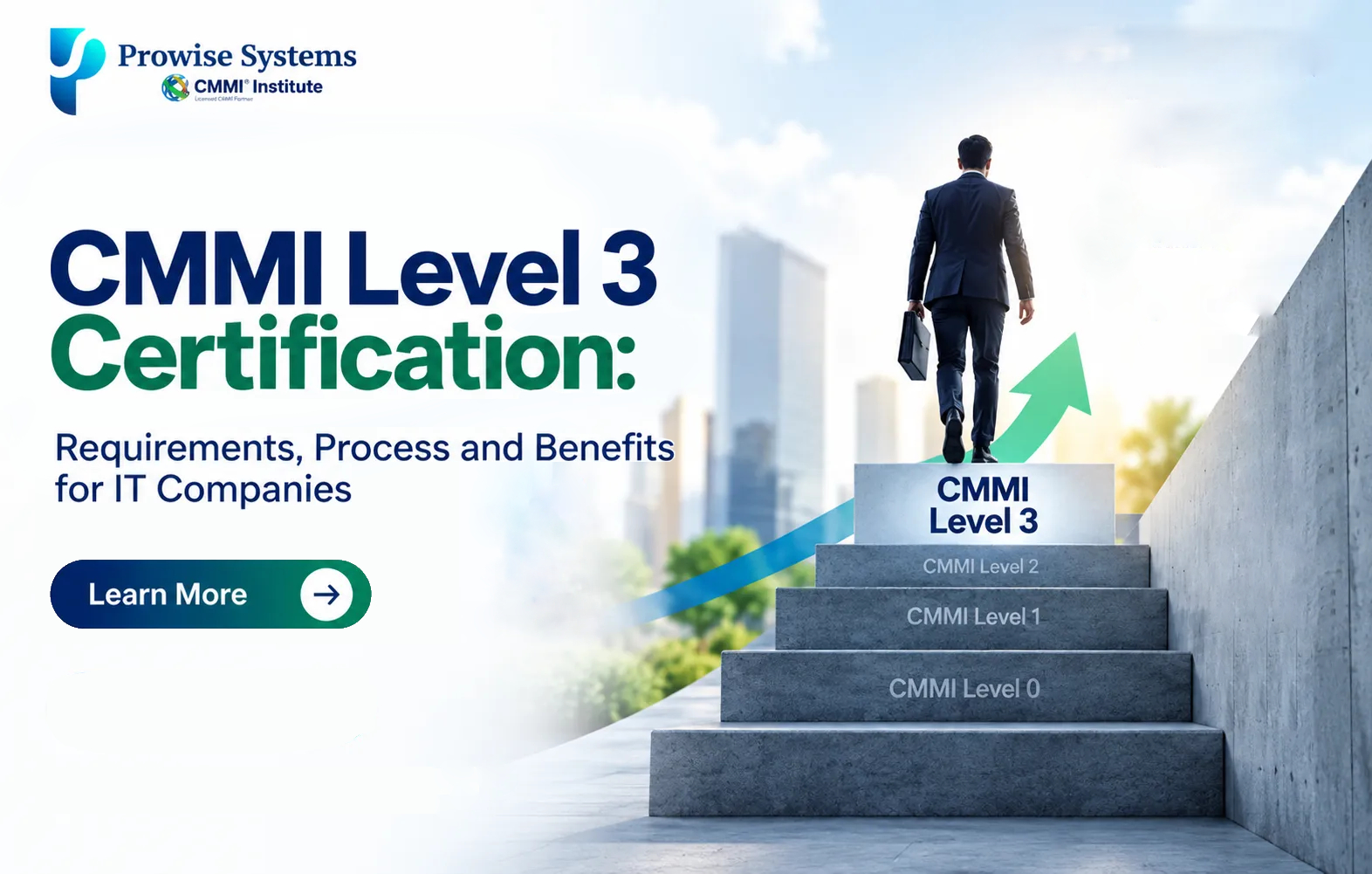
Understand what CMMI Level 3 certification means for IT and software companies, including key requirements, implementation steps, benefits, challenges, FAQ...
Read More »
ISO 27001 implementation is the process of establishing, operating, maintaining, and continually improving an Information Security Management System (ISMS)...
Read More »
An ISO 27001 gap analysis helps organizations determine how closely their existing information security practices align with the requirements of ISO/IEC 27...
Read More »
SOC 2 vs ISO 27001 is an important comparison for SaaS companies, technology providers, startups, and organizations selling to enterprise customers. Both f...
Read More »
Healthcare organizations increasingly rely on cloud platforms, digital records, telehealth services, and third-party vendors to deliver care. As sensitive...
Read More »
As cybersecurity threats continue to evolve, organizations working with the U.S. Department of Defense (DoD) must demonstrate strong security practices to...
Read More »
Cybersecurity threats are constantly evolving, making proactive security assessments essential for every organization. Two of the most common security asse...
Read More »
In today’s digital economy, compliance is no longer just about passing audits or meeting regulatory requirements. Organizations are expected to demonstrate...
Read More »
SOC 2 requirements are the administrative, technical, and organizational controls an organization implements to protect customer data and demonstrate compl...
Read More »